Professional insights and DIY projects from 34 years in software engineering.
Software Development Engineer III at AWS • Open Source SDE • Eclipse Foundation Contributor • 3 Patents • PNW Silicon Forest
Professional insights and DIY projects from 34 years in software engineering.
Software Development Engineer III at AWS • Open Source SDE • Eclipse Foundation Contributor • 3 Patents • PNW Silicon Forest

Last summer I wrote about teaching my assistant to reach and to remember. Reach meant tools for looking at the live world; remember meant a small local database that survives between our conversations; and in both cases my part was to name what was missing while the assistant built the way to fill each gap. I closed that essay on a promise I meant: there would be another gap to name next week. This one was in how the assistant writes. The request was four sentences, sent on a Sunday afternoon. I asked the assistant to research what makes written material pleasant to read. Then it was to analyze the gap between that research and the writing skills it already had, and make a plan to fill it. That assignment carried an irony: I was asking a system that cannot feel anything about a sentence to find out what makes sentences pleasant. The answer stepped around the irony rather than through it. Much of pleasant reading turns out to be measurable. ...
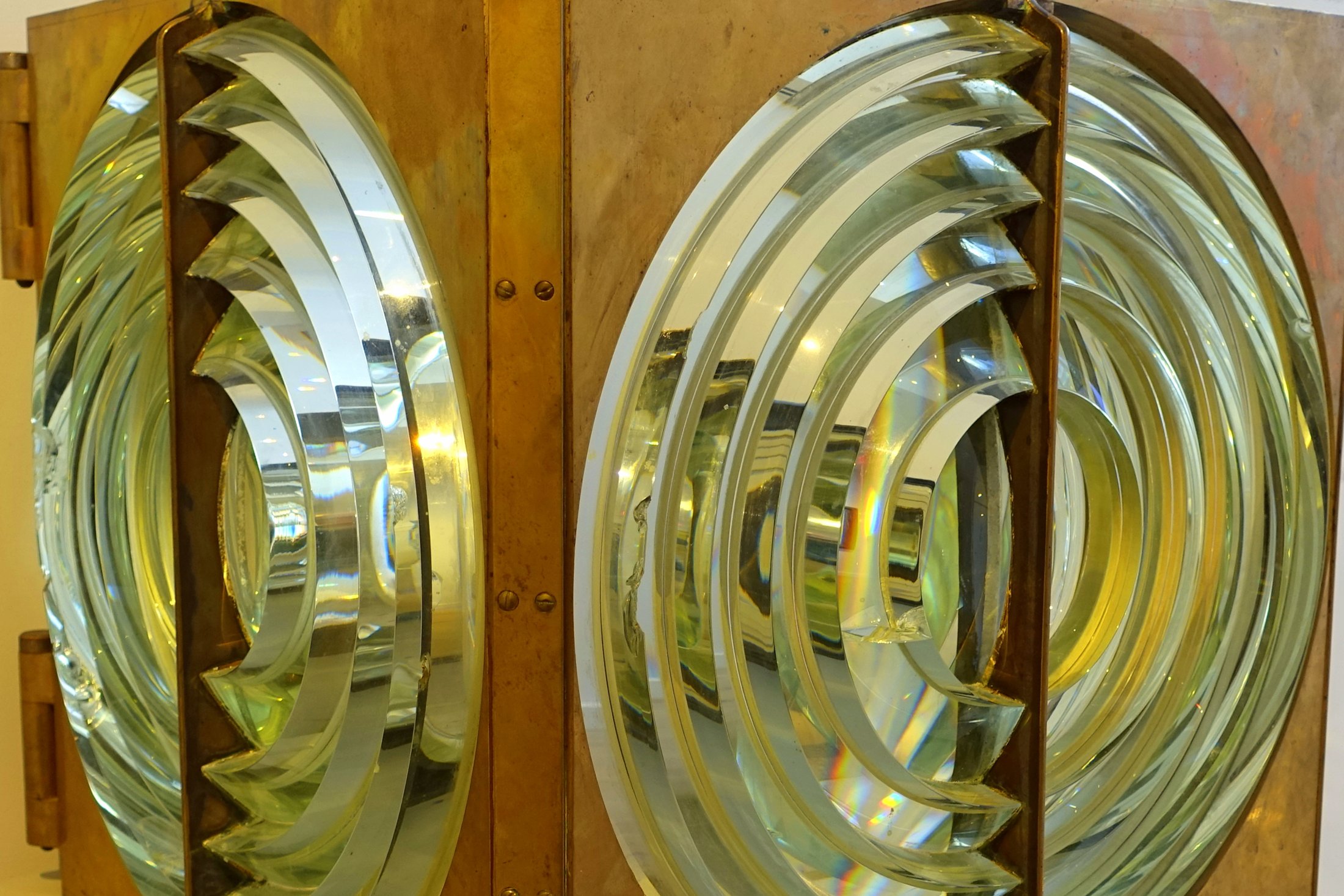
A lighthouse turns its beam so that ships can find it. The lidar on my workbench turns its beam so that it can find everything else. Ten times a second, the LD19 sweeps an infrared laser around the room and times each reflection, a method its manual calls direct time-of-flight (LD19 Manual, 2022). Paired with a Raspberry Pi 5 and a PiSugar battery board, it becomes a portable device that knows the shape of any room I set it in. My partner on the build was my AI assistant, the agent that runs on my Mac in a runtime called Hermes. I brought the parts, four wires, and a goal. The agent brought a terminal on the Pi and a habit of checking its own work. Together we went from a bare board to a working web application in a day. What came after, a month of building, taught me how a person and an agent can experiment well together. ...
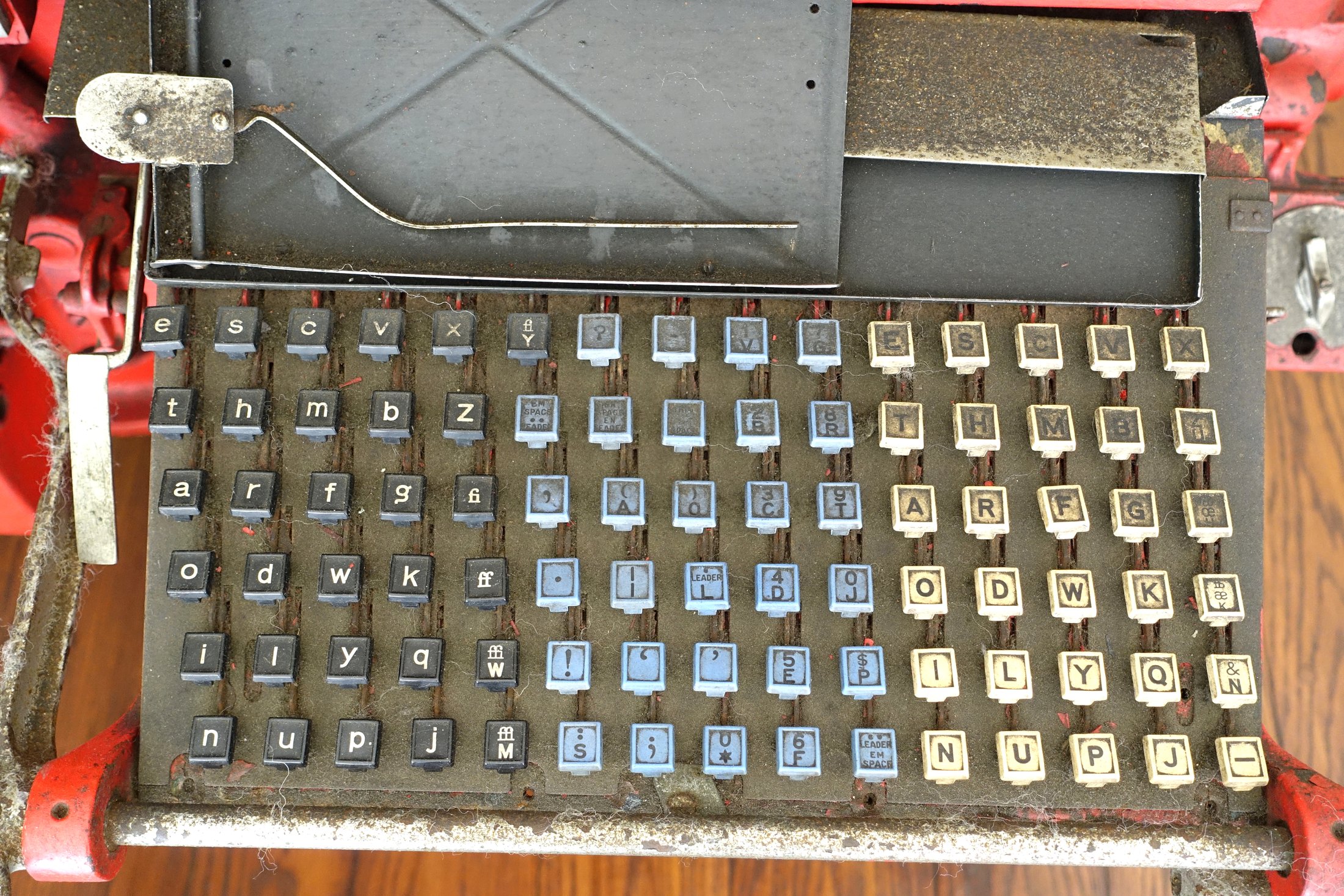
In Raising the Floor Again I wrote that the documentation is no longer a courtesy to the next human. It is load-bearing input to the thing that does the work. If the words are load-bearing, then they are the material, and engineers do not leave material to chance. We engineer it. Donald Knuth saw the shape of this in 1984. “Let us change our traditional attitude to the construction of programs,” he wrote. “Instead of imagining that our main task is to instruct a computer what to do, let us concentrate rather on explaining to human beings what we want a computer to do.” He named the practice literate programming: the program as an essay, with the working code extracted mechanically from the prose (Knuth, 1984). The practice won a devoted minority and lost the field. Writing for human readers carried no enforcement, and the readers skimmed. The reader we write for now does not skim. It reads every word, resolves every ambiguity by guessing, and acts on what it reads with tools and credentials attached. The essay Knuth wanted the field to write has found an audience. It is simply not the audience he had in mind. ...
I ended this essay with a pattern rather than a prediction. Someone raises the level of abstraction so that more people can build more things with less ceremony. The people who mastered the older, lower level object that the new level hides too much and understands too little. The new level turns out to be useful anyway, its rough edges get sanded down over a few years, and it becomes the unremarkable ground that the next generation stands on. Then someone proposes to raise the floor again. I am watching the floor rise now, in my own career, and this time the pattern has a wrinkle I did not fully sit with before. Every earlier layer still expected a programmer to write the layer above it. FORTRAN expected formulas. C expected C. The compiler translated what a person had already composed. The layer arriving now inverts that. The artifact a person hands down is a description in something close to English, and the thing standing on that description and turning it into running behavior is not a junior engineer but a machine that read a great deal of code and can write more. ...
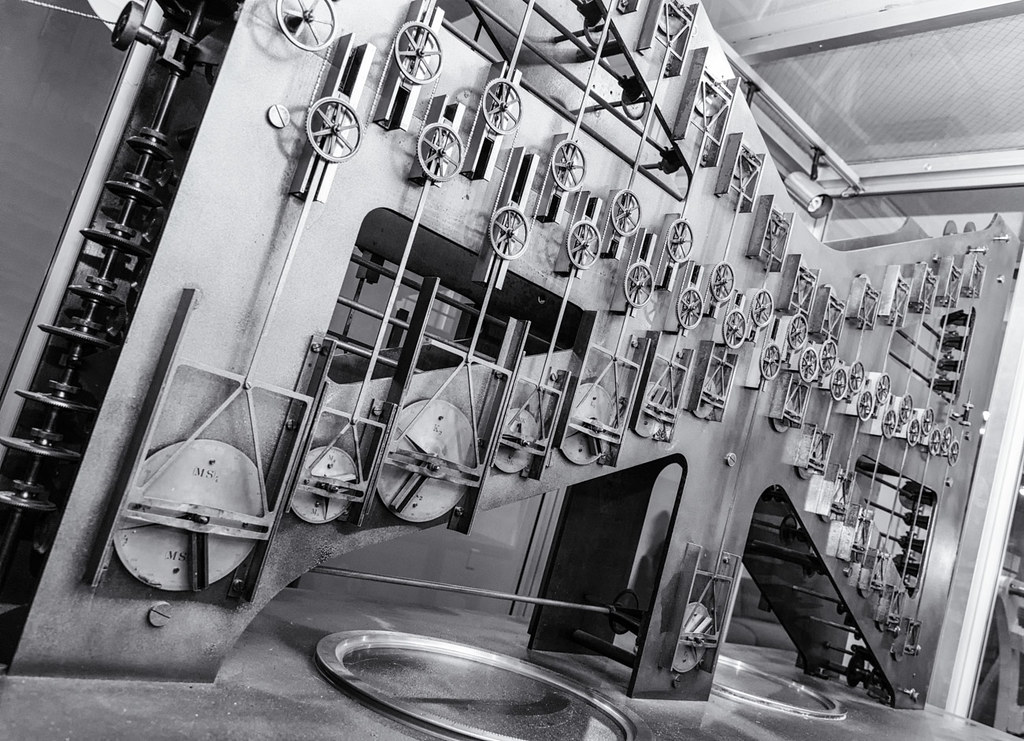
For the past week or so I have been doing a peculiar kind of engineering. I have been extending an AI assistant, and I have been doing it with the assistant. Not by feeding it into an editor as a source file, but by sitting across from it, describing what it was missing, and letting it write the code that would connect the new capability back into itself. The distinction sounds like a technicality. It is not. It is most of the point, but first, the two things I set out to give it. ...
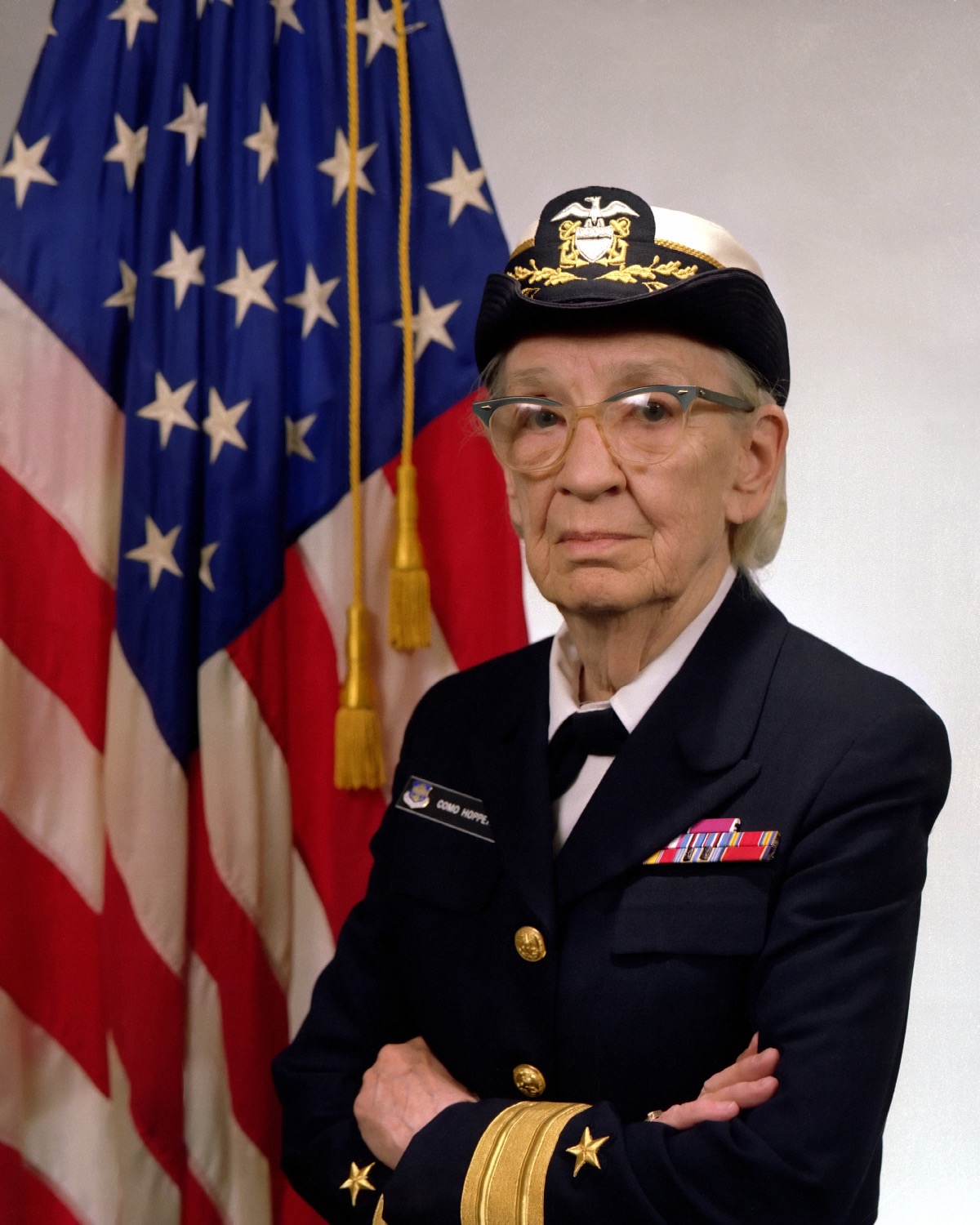
Every era of programming has been an argument about the same thing. How much of the work should the human do, and how much should we hand to the machine? Each time we have answered “give more to the machine,” someone has objected that the machine cannot be trusted with it, that real programmers work closer to the metal, and that the new convenience is a toy. And each time, within a decade, the convenience has become the floor that the next generation of programmers stands on without a second thought. This is a story about that floor rising. It runs from a woman feeding subroutines to a UNIVAC on tape in 1952 to a teenager in 2026 building a working web application by describing it to a language model in English. The technologies could not look more different. The motive behind them is identical. ...
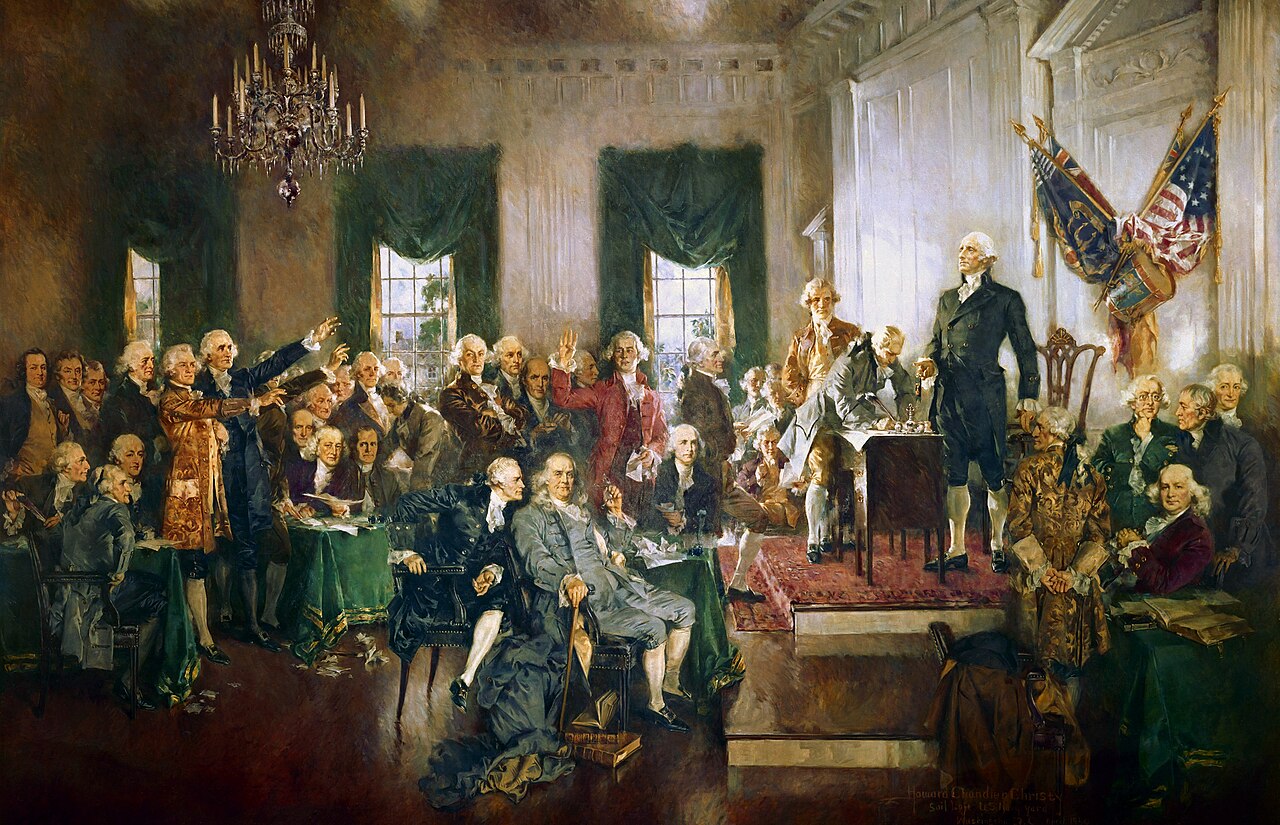
Last month I put together a watch list about why thirteen colonies decided to become a country. This is the sequel, and it asks the harder question. Once they had won independence, why did Americans build their government the way they did? Why three branches instead of one strong executive. Why a Senate and a House. Why so much power stays with the states rather than collecting in Washington. None of that was obvious in 1787, and the people in the room disagreed about all of it. ...
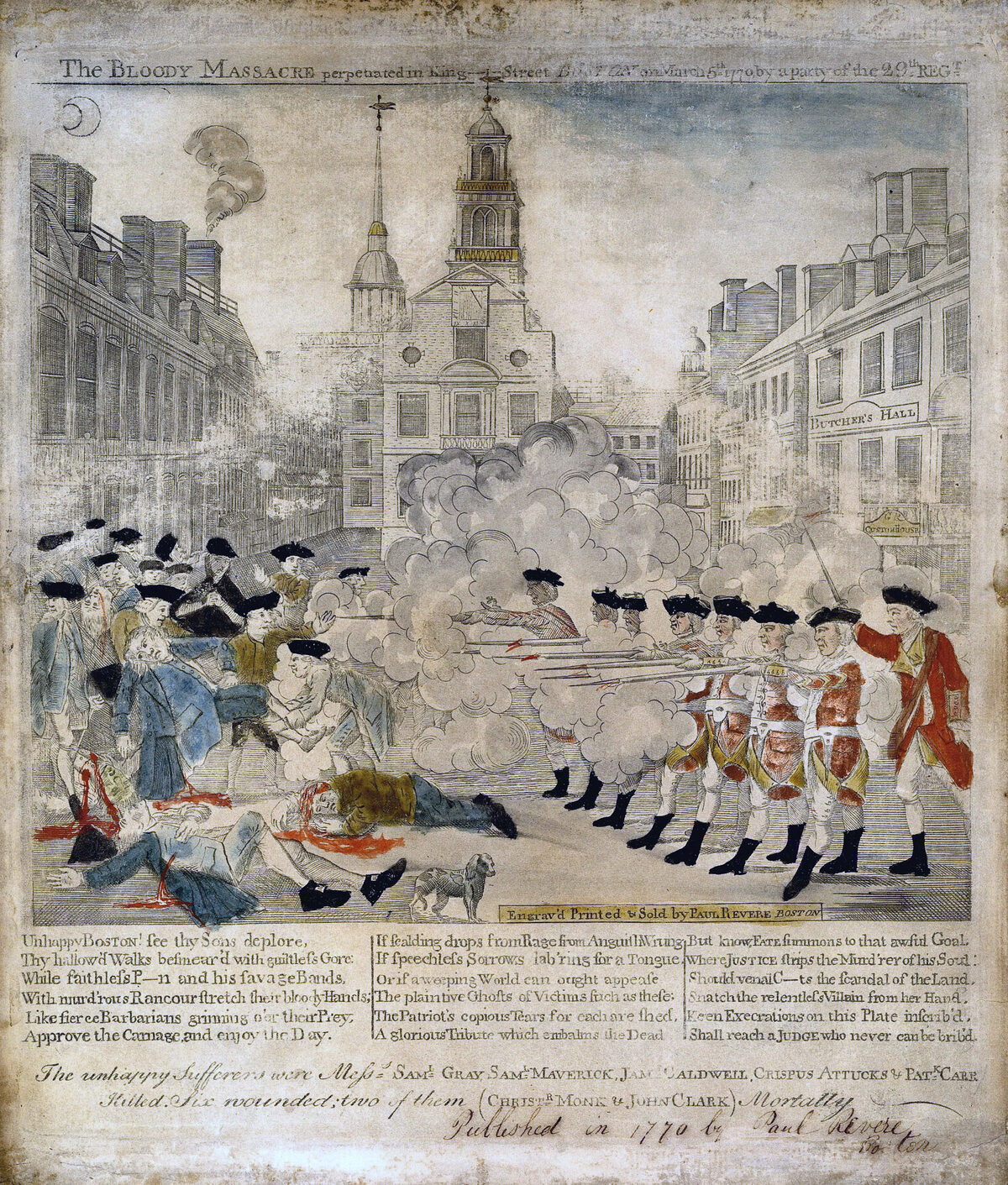
On July 4, 2026, the United States turns 250. The formal name for a 250th anniversary is the Semiquincentennial; the shorthand everyone is using is America250. Either way, it marks a quarter-millennium since the Continental Congress adopted the Declaration of Independence in Philadelphia. I wanted to mark the occasion with something more durable than fireworks. This is a watch list. It is not a “greatest hits of patriotism” reel. It is a guided tour through one specific question. Why did thirteen British colonies decide they needed to become their own country? It was not inevitable. For most of the 1760s and early 1770s, the colonists wanted their rights restored within the empire, not a new nation. Something changed. This list is about what. ...
Building a DIY propane pool heating system to heat a 4,400 gallon above ground pool from 68°F to 85°F using a tankless water heater and submersible pump.
Details about the Intex above ground pool setup including padding, dimensions, and skimmer installation for the DIY propane heating project.